Transaction monitoring is an important part of how financial institutions understand, assess and manage risk. For banks, fintechs, payment providers and other regulated businesses, the challenge is not simply to collect more data or generate more alerts. It is to turn reliable information into proportionate, explainable decisions that fit the customer journey and the organisation’s obligations. This guide explains transaction monitoring in practical terms, outlines the controls and workflows involved, and highlights how technology can support teams without replacing accountable human judgement.
What transaction monitoring means
Transaction monitoring is the ongoing analysis of financial activity to identify patterns, behaviours or individual events that may require investigation. Banks, payment providers, fintechs and other organisations use monitoring to support fraud prevention, anti-money laundering controls and operational risk management. The purpose is not to label every unusual payment as suspicious. It is to detect activity that differs from expected behaviour or known risk patterns and route it for proportionate review.
Monitoring can operate before, during or after a transaction, depending on the use case, data availability and system design. Real-time fraud controls may need to return a decision before a payment is completed. AML monitoring may also analyse activity over time, because a pattern across multiple transactions can be more informative than one isolated event. The institution should define the risks it intends to detect and the actions available at each stage.
How a transaction monitoring system works
A monitoring workflow typically ingests transaction events and related context, validates and enriches the data, evaluates activity against scenarios or models, and generates a score, alert or decision. Context may include customer risk, account history, device or channel information, counterparties, geography, payment method and previous activity. Data quality and timing matter: missing identifiers or delayed events can weaken a result even when the detection logic is well designed.
An alert then enters an operational process. A reviewer may gather additional information, compare activity with the customer’s expected profile, examine connected accounts or transactions and document the outcome. Depending on the evidence and applicable rules, the institution may close the alert, request further information, escalate it or consider regulatory reporting. Effective monitoring therefore depends on the entire lifecycle from detection to investigation and governance, not simply on the number of alerts produced.
Put better risk intelligence into practice
Explore how Formica AI supports this workflow through its Transaction Monitoring capabilities. The objective is to help teams bring relevant signals together, reduce repetitive research and focus attention on cases that need judgement. Review the workflow against your own data, controls and operating requirements.
Rules, machine learning and graph intelligence
Rules are useful when a risk scenario can be expressed clearly, such as repeated transactions above a defined threshold, rapid movement of funds or activity involving specified counterparties. They are transparent and can be adjusted by authorised teams, but a large collection of rigid rules can become difficult to maintain and may generate excessive alerts when customer behaviour changes.
Machine learning can identify combinations of signals and patterns that are difficult to capture through a single rule. Graph analytics adds relationship context by connecting people, accounts, devices, merchants and transactions. These approaches can complement one another: rules provide explicit controls, models help rank or detect patterns, and graph analysis can reveal connected activity. Their outputs must be validated, monitored for drift and interpreted in the context of the institution’s risk appetite.
Real-time monitoring and the investigation lifecycle
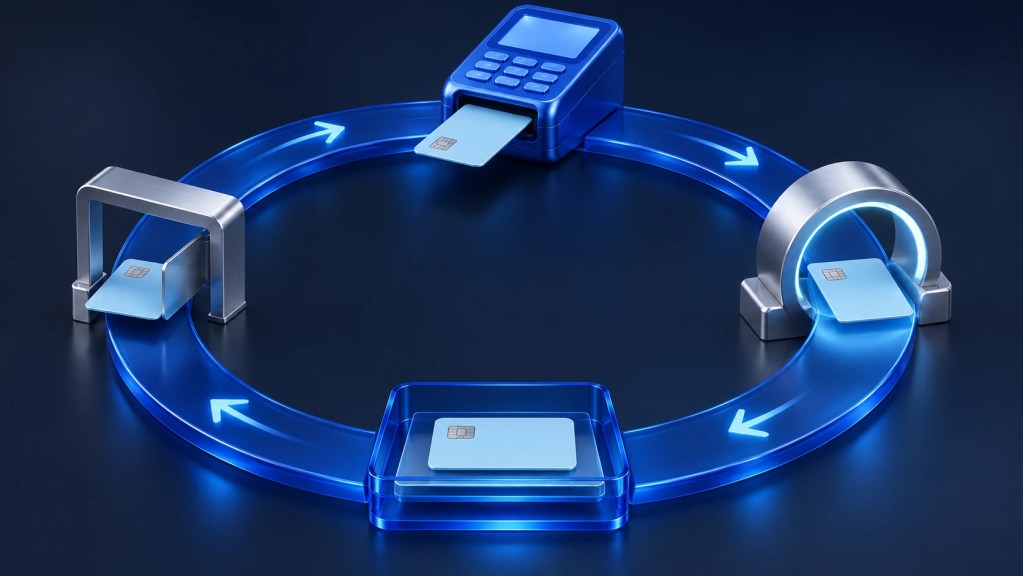
Real-time monitoring is valuable when the organisation must assess risk while a transaction or customer interaction is still in progress. The system may return an allow, review, step-up or decline recommendation, depending on the configured workflow and authority of the institution. Response time must be considered alongside data completeness, availability and the customer experience. A fast but poorly informed decision can create avoidable friction or expose the business to risk.
Post-event and behavioural monitoring remain important. Some patterns emerge only after several events, across accounts or over a longer period. A mature programme connects transaction alerts to case management, customer due diligence and feedback from investigations. Analysts should be able to see why an alert was created, which signals contributed and what previous activity is relevant. This context helps teams avoid repeatedly investigating the same issue without understanding the broader pattern.
Measuring effectiveness and reducing false positives
Alert volume alone is not a measure of effectiveness. Institutions should examine confirmed-risk yield, false-positive rates, investigation time, queue age, repeat alerts, loss outcomes, customer friction and reporting quality. Metrics need consistent definitions. For example, the percentage of alerts closed as false positives is not necessarily the same as the false-positive rate across all legitimate transactions.
Thresholds and scenarios should be tested against representative historical data and reviewed after material business changes. A new payment channel, customer segment or geography may change the baseline behaviour. Feedback from investigators can reveal missing context, weak rules or data quality issues. Changes should be documented, tested and approved by the appropriate owners, with a rollback path when performance deteriorates.
Choosing transaction monitoring software
Evaluate software against the institution’s use cases and operating model rather than a long feature list. Examine data integration, channel coverage, latency, rule configuration, model governance, graph capabilities, case management, explainability, access controls, audit trails and resilience. Ask vendors to demonstrate how a real alert moves from source event to score, analyst review and recorded outcome.
Formica AI’s Transaction Monitoring solution describes omnichannel monitoring, a real-time rule engine, AI and machine-learning models, and graph intelligence for analysing relationships among people, accounts, transactions and devices. These capabilities can support risk teams when configured for their data, scenarios and operational requirements. A proof of concept should use representative cases and agreed measures rather than relying on general performance claims.
AML transaction monitoring versus fraud monitoring
Transaction monitoring is used in different risk disciplines, and the objective matters. AML monitoring looks for activity that may indicate money laundering, terrorist financing or related financial crime. Fraud monitoring focuses on deceptive, unauthorised or abusive activity that can cause direct losses to customers or businesses. The same transaction can be relevant to both disciplines, but the typologies, thresholds, investigation questions and reporting obligations may differ. A payment that is unusual for a customer is not automatically suspicious for AML purposes, and a transaction that is authorised by the account holder may still be part of a scam.
Institutions should define separate but connected use cases. AML scenarios may examine structuring, rapid movement of funds, unusual counterparties or activity inconsistent with a customer’s profile. Fraud scenarios may prioritise account takeover, device changes, abnormal session behaviour, payment velocity or known scam indicators. Shared data and graph relationships can improve context, but case ownership and disposition rules should remain clear. Formica AI’s Transaction Monitoring solution describes omnichannel monitoring, configurable rules, AI/ML and graph intelligence for risk analysis.
Related Formica resource: Transaction Monitoring | Products
From alert generation to investigation and reporting
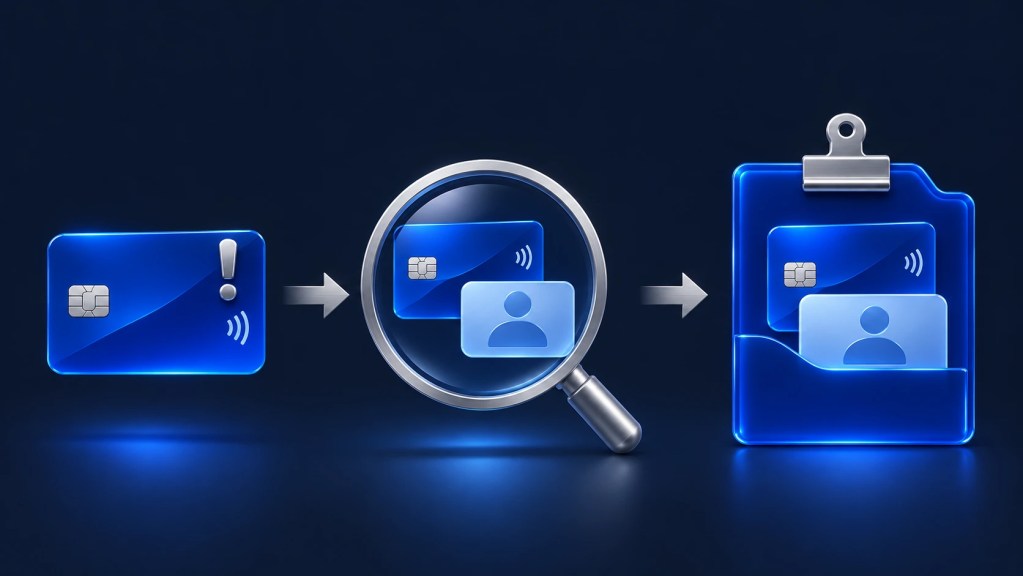
A monitoring system creates value only when alerts enter a disciplined investigation process. A useful case should show the triggering scenario, relevant transactions, customer profile, historical activity, linked accounts or counterparties, and the reasons the activity deviated from expected behaviour. Investigators need tools to group related alerts, avoid duplicate work and record what additional information was considered. A workflow should define who can close an alert, when a case must be escalated and how decisions are approved.
Where the institution is subject to suspicious activity reporting obligations, the monitoring workflow should connect investigation outcomes to the relevant reporting process. Filing decisions, deadlines, confidentiality and record retention depend on local law. A system should not automatically equate a high score with a reportable suspicion. Human reviewers must evaluate context and apply the institution’s procedures. FFIEC’s BSA/AML Examination Manual provides useful U.S. supervisory context for assessing suspicious activity monitoring, while other jurisdictions require their own local guidance.
Related Formica resource: Transaction Monitoring | Products
Scenario tuning, model validation and operational metrics
Monitoring scenarios should be reviewed against actual outcomes. A threshold that was appropriate when the customer base was small may create excessive alerts after a product launch or market expansion. Conversely, a scenario may become less effective as criminal behaviour changes. Review alert yield, confirmed-risk cases, false positives, time to disposition, aged queues, repeat alerts, losses and investigator feedback. Segment results by product, channel, geography and customer type to identify where performance differs.
Rules, machine-learning models and graph analytics have complementary strengths. Rules make explicit scenarios easier to understand and control; models can combine multiple signals; graph analysis can expose relationships that are not visible in a single transaction. Each component needs documented ownership, testing, change approval and ongoing performance monitoring. Formica’s AI-powered Transaction Monitoring describes combining rule mechanisms, adaptive models and graph intelligence. Evaluate these capabilities through representative scenarios and agreed performance measures rather than relying on general claims.
Related Formica resource: Transaction Monitoring | Products
A practical implementation checklist
- Map the relevant customer, transaction or investigation journey and identify the decision points.
- Confirm the legal and policy requirements for each market, product and customer segment.
- Document data sources, data quality controls, ownership, permissions and retention requirements.
- Define risk-based thresholds, escalation criteria, reviewer responsibilities and evidence standards.
- Test normal, high-risk, incomplete and ambiguous cases before production deployment.
- Monitor outcomes, false positives, operational workload and control effectiveness; review changes regularly.
Build a more connected risk workflow with Formica AI
Build a more connected transaction monitoring workflow with Formica AI. Explore the relevant capabilities and discuss how they could fit your institution’s data, risk appetite and operational processes.
Frequently asked questions
What transactions should be monitored?
The scope depends on the institution’s products, channels, customers and risk assessment. Relevant activity may include payments, transfers, deposits, withdrawals and linked account behaviour.
Is transaction monitoring mandatory?
Requirements depend on jurisdiction and institution type. Applicable AML frameworks may require institutions to identify and investigate suspicious activity, but they do not universally prescribe one specific technology.
How does real-time transaction monitoring work?
It evaluates transaction data and available context as an event occurs, then sends a score, alert or decision to a configured workflow.
What is the difference between AML and fraud transaction monitoring?
AML monitoring focuses on potential money laundering and related financial crime patterns; fraud monitoring focuses on deceptive or unauthorised activity. Data and methods can overlap, but objectives and reporting obligations differ.
How can false positives be reduced?
Use better data context, risk-based segmentation, tested rules, model validation, investigator feedback and ongoing measurement of alert quality.